
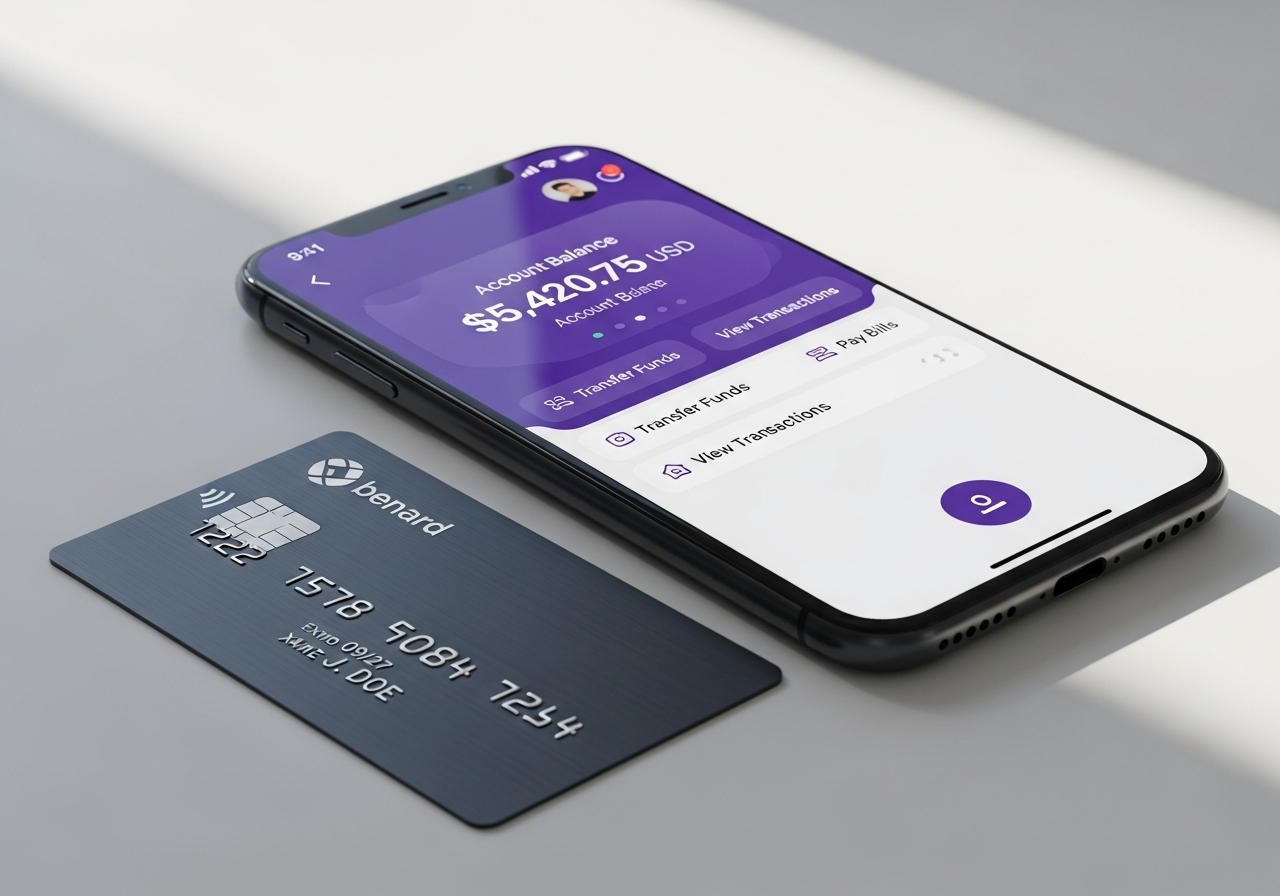
Ghana’s online betting and casino market has experienced remarkable growth over the past decade, evolving from a niche activity to a mainstream form of entertainment for hundreds of thousands of players. This expansion has been mirrored by rapid innovation in payment methods, with mobile money platforms like MTN Mobile Money and Vodafone Cash dominating local transactions, while bank-issued cards and e-wallets have become increasingly important for accessing international casino sites. As Ghanaian players seek diverse gaming experiences beyond locally licensed sportsbooks, understanding which payment routes work reliably—and legally—has become essential.
This article focuses specifically on the use of Ghanaian bank-issued credit and debit cards for deposits at international online casinos. We examine why some transactions succeed while others are declined, explore the policies of major local banks, and identify safer, compliant alternatives for players who encounter barriers. The information provided here is educational in nature and should not be construed as legal or financial advice; all players should ensure they comply with applicable Ghanaian regulations, respect their bank’s terms of service, and practice responsible gambling at all times.
Overview of Payments to International Casinos from Ghana
Ghana’s payments landscape is characterised by the overwhelming dominance of mobile money for everyday transactions, including deposits to locally licensed sportsbooks and betting platforms. Services such as MTN Mobile Money, Vodafone Cash, and AirtelTigo Money have achieved near-ubiquitous adoption, offering instant, low-cost transfers that require only a mobile phone. For domestic betting operators regulated by the Gaming Commission of Ghana, mobile money integrations are seamless, often processed in real time with minimal fees. However, international casinos—those licensed in jurisdictions like Malta, Curaçao, or the United Kingdom—typically do not support direct mobile money deposits from Ghana, creating a payment gap that has driven increased reliance on bank cards and e-wallets.
Bank policies towards gambling transactions vary significantly depending on whether the recipient is a Ghana-licensed operator or an offshore casino. Domestic sportsbooks benefit from clear regulatory frameworks and established local partnerships with payment processors like Flutterwave and Paystack, which facilitate card and mobile money acceptance. International casinos, by contrast, operate in a grey zone: while Ghanaian law does not explicitly prohibit citizens from using foreign gambling sites, banks and card networks apply their own risk controls, merchant category code (MCC) filters, and anti-money laundering (AML) checks that can result in declined transactions.
The approval of any card deposit involves a chain of decision-makers: the issuing bank in Ghana, the card network (Visa or Mastercard), the payment gateway that processes the transaction, and the acquiring bank that services the casino. Each party applies distinct rules around cross-border payments, foreign exchange usage, and gambling merchant codes, meaning a single transaction must clear multiple checkpoints before funds reach the player’s casino account.
How Ghana’s iGaming Payments Ecosystem Works
When a Ghanaian player attempts to deposit at an international casino using a bank card, the transaction follows a multi-step flow. First, the player enters card details on the casino’s cashier page, which is typically powered by a third-party payment gateway specialising in high-risk or international merchants. The gateway forwards the authorisation request to the card network (Visa or Mastercard), which routes it to the player’s issuing bank in Ghana. The bank then evaluates the transaction against its internal policies—checking available balance or credit limit, FX controls, MCC restrictions, and any blacklists or spending caps—before approving or declining the request.
This process differs sharply from mobile money deposits to local sportsbooks, where the entire transaction occurs within Ghana’s domestic financial infrastructure. Mobile money is peer-to-peer or merchant-to-wallet, often settled instantly via telecom-backed platforms without touching international card networks. As a result, mobile money enjoys higher approval rates and lower fees for domestic gambling, but remains largely inaccessible for international casino deposits unless the player uses an intermediary service or agent.
Local vs International Casino Banking Realities
Ghanaian-licensed sportsbooks and casinos are subject to oversight by the Gaming Commission and must partner with local banks and payment processors to handle customer deposits. These operators use merchant category codes that clearly identify them as regulated gambling businesses within Ghana, and local banks have established risk appetites and compliance procedures for such transactions. Players depositing to a local platform via card or mobile money are unlikely to encounter unexpected declines, provided their accounts are in good standing.
International casinos, however, are classified under different MCCs—often codes associated with offshore or unregulated gambling, which trigger stricter scrutiny from Ghanaian banks. Some issuing banks automatically decline transactions to certain MCC categories as a matter of policy, while others apply transaction limits or require additional verification. The MCC assigned to a casino depends on its acquiring bank and payment processor, meaning two casinos with identical licenses might present different risk profiles to the same Ghanaian card. This inconsistency is a major source of confusion and declined deposits for players attempting to fund accounts at multiple international sites.
Regulatory and Card Network Rules Affecting Ghana Card Deposits
The Bank of Ghana, the country’s central bank and financial regulator, enforces policies governing cross-border payments and foreign exchange transactions. While Ghanaian residents are permitted to hold and use foreign currency for approved purposes, each transaction involving conversion from Ghana cedis to foreign currency is subject to monitoring for AML and Know Your Customer (KYC) compliance. Banks must report large or suspicious cross-border transfers, and individual customers face annual limits on foreign currency purchases and international card spending. These macroeconomic controls can indirectly affect casino deposits, as banks may flag frequent or high-value gambling transactions as unusual activity.
Globally, Visa and Mastercard maintain policies on gambling transactions that vary by jurisdiction. Some countries have enacted outright bans on credit card gambling—most notably the United Kingdom in 2020—while others permit it with conditions. Card networks defer to local law and issuer discretion, meaning a transaction legal under Ghanaian law may still be blocked if the issuing bank or card network deems it high-risk. Factors influencing approval rates include the transaction’s MCC, the cardholder’s spending history, the casino’s reputation and fraud rates, and the presence of responsible gambling controls such as deposit limits or self-exclusion flags.
- Bank of Ghana cross-border payment limits: Annual caps on foreign exchange purchases and international card transactions can restrict total spending at offshore casinos.
- MCC code filtering: Banks program decline rules for specific merchant category codes commonly associated with online gambling, especially offshore or unregulated operators.
- Card network compliance requirements: Visa and Mastercard mandate that gambling merchants implement age verification, AML checks, and responsible gambling tools; non-compliant casinos may be blacklisted.
- Issuer-specific risk policies: Individual banks in Ghana set their own thresholds for gambling transaction approval, independent of national or card network rules.
- Chargeback and fraud concerns: High chargeback rates at certain casinos prompt payment processors and issuing banks to tighten controls or block transactions entirely.
Key Rule Layers: Regulator, Card Network, Local Bank
Understanding the hierarchy of rules is crucial for Ghanaian players. At the top, national regulations set the legal framework: Ghanaian law does not criminalise participation in offshore online gambling, but the Gaming Commission licenses only domestic operators, leaving international casinos in a regulatory grey area. Beneath this, Visa and Mastercard impose global standards for gambling merchant acceptance, including fraud prevention and responsible gambling measures. Finally, each Ghanaian bank interprets these rules through its own lens, often adding conservative overlays such as blanket bans on certain MCC codes or enhanced scrutiny of cross-border gambling spending.
Critically, local banks may enforce stricter rules than Visa or Mastercard’s global policies allow. Even if a card network permits gambling transactions in Ghana, an individual bank might decline all such payments as part of its risk management strategy or to avoid reputational concerns. This means players can experience vastly different outcomes depending on which bank issued their card, even when attempting the same deposit at the same casino.
How Major Ghanaian Banks Treat International Casino Card Payments
Publicly available policies on gambling transactions are scarce among Ghanaian banks, with most institutions declining to make explicit statements about offshore casino deposits. What follows is a synthesis of known behaviours, user reports, and general cross-border payment policies, recognising that bank practices can change without notice and vary by account type, customer profile, and transaction history. Players should always verify current policies directly with their bank and remain aware that approval likelihood is not guaranteed.
Debit cards tend to fare better than credit cards for international casino deposits, primarily because debit transactions draw from existing balances rather than extending credit, reducing the bank’s risk exposure. Credit cards, especially those with high limits, face additional scrutiny due to concerns about debt accumulation and the potential for chargebacks. Some Ghanaian banks have adopted policies inspired by international trends, such as restricting credit card use for gambling to promote responsible play and limit consumer harm.
| Bank | Typical Card Types | Policy on Gambling Transactions | Cross-border Payments | Deposit Approval Likelihood | Fees/Key Notes |
|---|---|---|---|---|---|
| GCB Bank | Visa Debit, Mastercard Debit | Not explicitly stated; varies by transaction | Enabled with FX limits | Moderate; some MCC blocks reported | FX spread ~3-5%; daily transaction caps |
| Zenith Bank Ghana | Visa Debit, Visa Credit, Mastercard Debit | Unclear; credit cards may face restrictions | Generally permitted | Moderate to high for debit; lower for credit | Competitive FX rates; robust fraud monitoring |
| Stanbic Bank Ghana | Visa Debit, Mastercard Debit, Visa Credit | Implied restrictions on high-risk MCCs | Enabled; subject to AML screening | Moderate; frequent declines for offshore gambling | FX margin plus flat fee; 3D Secure required |
| Ecobank Ghana | Visa Debit, Mastercard Debit | Not disclosed; user reports vary widely | Permitted with KYC verification | Low to moderate; conservative risk controls | Higher FX fees; occasional transaction holds |
| Fidelity Bank Ghana | Visa Debit, Mastercard Debit | Unclear; likely restricted for certain merchants | Enabled; FX purchase limits apply | Moderate; approval depends on merchant MCC | Standard FX spread; SMS alerts on declines |
| CalBank Ghana | Visa Debit, Mastercard Debit, Prepaid Cards | Not stated; prepaid cards report better success | Permitted; daily limits enforced | Moderate; prepaid options offer flexibility | Lower fees on prepaid; instant decline notices |
Ghana-Issued Visa and Mastercard Cards in Practice
Debit cards issued by Ghanaian banks are often the preferred instrument for cross-border gambling because they limit spending to available balances, reducing the risk of accumulating unmanageable debt. Many banks enable international transactions by default on debit cards, though they impose daily or monthly spending caps and require 3D Secure authentication for online purchases. Players report that debit cards from banks like Zenith and CalBank have relatively higher approval rates at international casinos, particularly when the casino’s payment processor uses recognisable, lower-risk acquiring banks.
Credit cards, by contrast, face more rigorous scrutiny. Banks are cautious about extending credit for gambling due to the risk of default and the negative publicity associated with gambling-related debt. Some institutions have quietly implemented MCC blocks that automatically decline credit card transactions to offshore gambling merchants, while others apply manual reviews or temporary holds. Foreign exchange limits also play a role: Ghana’s regulations cap how much foreign currency an individual can purchase annually, and repeated high-value gambling transactions can exhaust these limits or trigger compliance inquiries.
Why the Same Card Works on Some Casinos but Not Others
A common frustration for Ghanaian players is that a single card may be accepted at one international casino but rejected at another. This inconsistency stems from differences in how casinos and their payment processors present transactions to the card network. Each casino partners with an acquiring bank (often located in a jurisdiction favorable to gambling businesses) that assigns an MCC to the merchant account. Some acquiring banks use generic retail or entertainment codes to reduce decline rates, while others use gambling-specific MCCs that are more likely to be blocked by conservative issuing banks in Ghana.
Additionally, payment gateways employ varied fraud-detection algorithms and risk scoring models. A casino using a gateway with strong anti-fraud measures and a clean transaction history may enjoy higher approval rates from Ghanaian banks, while a casino with a history of chargebacks or disputes might be blacklisted by certain issuers. The geographic location of the acquiring bank, the casino’s licensing jurisdiction, and even the time of day a transaction is processed can all influence whether a card deposit succeeds or fails.
Credit Cards vs Debit Cards vs Prepaid Cards for Casino Deposits
The type of card a player uses profoundly affects the likelihood of deposit approval, the fees incurred, and the level of control over spending. Credit cards, debit cards, and prepaid cards each come with distinct advantages and drawbacks in the context of international casino deposits from Ghana, shaped by issuer policies, global regulatory trends, and the inherent risks of gambling with borrowed funds.
Globally, several jurisdictions have banned the use of credit cards for online gambling to curb problem gambling and prevent consumers from accruing unsustainable debt. The United Kingdom’s 2020 ban is the most prominent example, driven by evidence that credit card gambling correlated with higher rates of financial harm. While Ghana has not enacted a similar prohibition, these international trends influence local bank policies, and some Ghanaian issuers have voluntarily restricted credit card gambling either across the board or for specific high-risk merchants.
| Card Type | Availability | Acceptance at Casinos | Limits/Controls | Benefits | Drawbacks |
|---|---|---|---|---|---|
| Credit Card | Limited; fewer banks issue credit cards | Low to moderate; many blocks in place | Credit limits, MCC filters, manual reviews | Access to borrowed funds; reward points on some cards | High risk of debt; frequent declines; higher fees |
| Debit Card | Widely available from all major banks | Moderate to high; fewer restrictions | Daily/monthly spending caps; balance-based limits | Spends only available funds; widely accepted; instant processing | Requires sufficient balance; FX fees; potential MCC blocks |
| Prepaid Card | Available from select banks and fintechs | Moderate; depends on card program rules | Preloaded amount; may have stricter MCC filters | Budget control; no bank account linkage; anonymity | Reload fees; limited availability; some casinos reject prepaid |
How Funding Source Affects Gambling Permissions
International e-wallets like Neteller and Skrill, which are popular intermediaries for Ghanaian players seeking to fund casino accounts, apply their own policies regarding the source of funds used to load the wallet. Neteller, for example, tags balances funded via credit card and restricts their use for gambling deposits, requiring players to wager such funds on eligible merchants or transfer them out before accessing casino cashiers. Debit card and bank transfer–funded balances typically face no such restrictions, making these funding routes preferable for players intending to gamble.
Ghanaian players using e-wallets as a bridge often experience variable outcomes depending on the wallet provider’s current compliance stance and the funding method chosen. Some players report smooth transactions when funding Skrill via bank transfer and then depositing to casinos, while others encounter account freezes or requests for additional documentation if transaction patterns appear inconsistent with stated account purposes. These frictions underscore the importance of understanding not just bank card policies, but also the layered rules of intermediary platforms.
Alternative Routes: Mobile Money, E-Wallets and Intermediary Services
For Ghanaian players facing persistent card declines or seeking lower-cost deposit options, alternative payment routes offer viable pathways to international casino accounts. Mobile money, though not directly integrated with most offshore casinos, can be converted to usable formats through agents or fintech platforms. E-wallets like Neteller, Skrill, and ecoPayz serve as intermediaries, accepting deposits from Ghanaian payment methods and then enabling seamless casino funding. Each alternative comes with trade-offs in terms of fees, convenience, compliance risk, and processing speed.
Mobile money remains the most accessible payment method for the average Ghanaian, with penetration rates exceeding bank account ownership. However, international casinos rarely accept MTN Mobile Money or Vodafone Cash directly due to integration challenges and regulatory uncertainty. Players wishing to use mobile money must typically employ a two-step process: first converting mobile money to an e-wallet balance via an agent or online exchange service, then using the e-wallet to deposit at the casino. This workaround introduces additional costs and delays but can be more reliable than battling card declines.
- Open an account with a recognised e-wallet provider such as Neteller, Skrill, or ecoPayz, completing full KYC verification including ID and proof of address.
- Fund the e-wallet using a Ghanaian bank card or transfer, avoiding credit cards if possible to prevent gambling-use restrictions on your balance.
- Alternatively, locate a trusted mobile money agent or online exchange that accepts MTN or Vodafone cash and credits e-wallet accounts for a fee (typically 3-7%).
- Transfer the desired deposit amount from your e-wallet to the international casino, selecting the e-wallet option in the casino cashier and following authentication prompts.
- Monitor fees at each step—FX conversion, e-wallet funding, and casino deposit fees—to ensure the total cost remains acceptable relative to your budget.
- Maintain records of all transactions for personal tracking and in case your bank, e-wallet provider, or casino requests documentation during compliance reviews.
- Set deposit limits within both the e-wallet and casino accounts to enforce responsible gambling practices and prevent overspending through multiple funding channels.
Mobile Money vs Bank Cards for Gambling in Ghana
Mobile money’s dominance in Ghana stems from its accessibility, speed, and low cost for peer-to-peer and merchant transactions. For locally licensed sportsbooks, mobile money deposits are processed instantly with minimal fees, often just a small percentage or flat charge capped at a few cedis. The user experience is seamless: players simply enter their mobile money number, authorise the payment via PIN or app, and see their betting account credited within seconds. This ease of use has made mobile money the default choice for domestic gambling.
International casinos, however, present a different challenge. The lack of direct integration means players must either find intermediary services—such as agents who accept mobile money and credit e-wallets—or convert mobile money balances to bank accounts before using cards. These secondary steps erode the speed and cost advantages of mobile money, and introduce potential compliance risks if the intermediary service lacks proper licensing or AML controls. Consequently, mobile money remains best suited for local gambling, while bank cards and e-wallets are more practical for international play.
Using E-Wallets and Fintech Accounts as a Bridge
E-wallets like Neteller and Skrill have become the preferred bridge for Ghanaian players seeking reliable access to international casinos. The process involves funding the e-wallet with a Ghana-issued card or bank transfer, then using the e-wallet balance to deposit at casinos that accept these payment methods. Because the casino transaction occurs between the e-wallet and the casino—not between the player’s bank and the casino—it bypasses many of the MCC and risk filters that cause direct card deposits to fail.
However, this convenience comes with caveats. E-wallets charge fees for currency conversion, account funding, and sometimes withdrawals, which can add up to 5-10% of transaction value when combined. Additionally, e-wallet providers enforce strict AML and KYC policies, and accounts can be frozen or closed if transaction patterns raise red flags, such as frequent large deposits followed by immediate casino transfers. Players should use e-wallets transparently, keep documentation ready, and avoid mixing gambling funds with business or personal transfers to minimise compliance friction.
Risk Management, Responsible Gambling and Bank Controls
Responsible gambling is increasingly recognised as a shared responsibility among players, casinos, payment providers, and banks. In Ghana, where formal harm-reduction infrastructure for gambling is still developing, individual players must often self-impose controls through banking and payment choices. At the same time, Ghanaian banks monitor high-risk transactions—including frequent or large gambling payments—as part of their AML and fraud prevention obligations, sometimes restricting accounts or requesting explanations for unusual activity.
Several harm-reduction tools have emerged globally, and while not all are available through Ghanaian banks yet, understanding these mechanisms helps players anticipate future developments and adopt best practices now. Tools range from simple spending limits to sophisticated cooling-off periods and gambling-specific card blocks that allow customers to self-exclude from all gambling transactions with a single toggle.
| Control/Tool | Provider | How It Works | Benefits | Limitations |
|---|---|---|---|---|
| Gambling Block | Issuing Bank (e.g., UK banks) | Customer requests block on all gambling MCCs via app or branch | Prevents impulsive deposits; supports self-exclusion commitments | Not widely available in Ghana; may have cooling-off before activation |
| Spending Limits | Bank or E-wallet | Player sets daily/monthly caps on total or category-specific spending | Enforces budget discipline; easy to configure | May be bypassed by using multiple cards or payment methods |
| Transaction Alerts | Bank or Card Network | SMS/email notification for every gambling transaction | Increases awareness; enables quick detection of unauthorized use | Passive tool; does not prevent transactions |
| Cooling-off Period | Bank (emerging) | Delay before gambling block can be removed, e.g., 24-48 hours | Reduces impulsive decisions; reinforces commitment to self-exclusion | Not yet implemented by Ghanaian banks; relies on customer honesty |
| AML/Fraud Monitoring | Bank Compliance Team | Automated systems flag unusual gambling spending for review | Protects against fraud and money laundering; complies with regulations | Can result in account freezes or intrusive inquiries; false positives common |
How International Bank Gambling Blocks Inform Ghana’s Future
In the United Kingdom, major banks such as Barclays, HSBC, and Lloyds offer opt-in gambling blocks that customers can activate via mobile apps or online banking portals. Once enabled, the block prevents all card transactions to merchants classified under gambling MCCs, providing a technological safeguard against impulsive or compulsive play. Some banks impose a 48-hour cooling-off period before the block can be deactivated, ensuring that the decision to resume gambling is deliberate rather than reactive. Similar features have been adopted in Australia, Sweden, and other jurisdictions where responsible gambling is a regulatory priority.
While no Ghanaian bank currently offers dedicated gambling blocks, the global trend suggests these tools may arrive as local awareness of gambling harm grows and regulators push for stronger consumer protections. Players concerned about their gambling spending can request custom transaction limits or category blocks from their bank’s customer service, though availability and effectiveness vary. In the interim, using prepaid cards with fixed balances or setting strict personal budgets remain practical self-imposed controls.
Practical Strategy: Getting Casino Deposits Approved from Ghana
Navigating the complexities of international casino deposits from Ghana requires a strategic approach that balances payment method diversification, fee optimisation, and compliance with bank and regulatory rules. The following actionable steps synthesise insights from previous sections into a practical roadmap for players seeking reliable, cost-effective, and responsible deposit pathways.
- Verify your bank’s cross-border and gambling policies by calling customer service or reviewing terms and conditions, noting any MCC restrictions or spending caps that might affect casino deposits.
- Test small deposits first at your chosen casino using your preferred card, observing approval rates and fees before committing larger amounts.
- Enable 3D Secure and transaction alerts to improve approval likelihood and receive immediate notice of declines or suspicious activity.
- Maintain a backup payment method—such as an e-wallet funded via bank transfer—so that card declines do not leave you unable to deposit when desired.
- Track all fees meticulously, including FX spreads, payment gateway charges, and casino processing fees, to identify the most cost-efficient deposit route over time.
- Set personal deposit limits within your bank account, e-wallet, and casino account to enforce responsible gambling and prevent overspending during sessions.
- Stay informed about regulatory changes in Ghana’s gambling and payments landscape, as new rules or bank policies can rapidly alter which deposit methods remain viable.
Optimising Approval Rates While Minimising Fees
Foreign exchange charges are often the largest hidden cost in international casino deposits from Ghana. Most banks apply an FX spread of 3-6% above interbank rates when converting cedis to euros or dollars, and some add flat fees per transaction. Casinos and payment gateways may impose additional currency conversion fees if the player’s deposit currency differs from the casino’s base currency. To minimise these costs, players should compare the total effective rate across different deposit paths—direct card, e-wallet funded by card, or e-wallet funded by bank transfer—and choose the option with the lowest combined fees.
Consistency also improves approval rates. Using the same card and depositing similar amounts at regular intervals signals predictable, low-risk behaviour to both the bank and the casino’s payment processor. Sudden large deposits or rapid switching between multiple cards can trigger fraud alerts and manual reviews, delaying or blocking transactions. Players who establish a stable deposit pattern and maintain good standing with their bank are likelier to enjoy smooth approvals over the long term.
Red Flags That Your Bank is Restricting Gambling
Declined transactions accompanied by generic error messages—such as “transaction not permitted” or “contact your bank”—are the most common indicators that a gambling-related restriction is in place. If a card works for other international purchases but consistently fails at casinos, an MCC block is the probable cause. Some banks send SMS or email alerts explicitly stating that gambling transactions are restricted, while others require customers to call and inquire.
Staying within your bank’s published guidelines is essential to avoid compliance penalties, including account freezes, mandatory documentation requests, or even account closure for repeated violations of terms of service. If your bank does restrict gambling, attempting to circumvent the block—for example, by misrepresenting transaction purposes or using intermediaries to disguise the nature of payments—can result in more severe consequences. Instead, consider switching to a bank or payment method that explicitly permits international gambling, or use compliant e-wallet intermediaries that are transparent about their gambling policies.
Case-Based Scenarios and Player Profiles in Ghana
Real-world player behaviours in Ghana vary widely based on income, gambling frequency, preferred games, and banking access. The following scenarios illustrate how different player profiles encounter distinct challenges when funding international casino accounts, and how tailored banking setups can address each profile’s unique needs. By mapping strategies from earlier sections to specific player types, this framework offers personalised, actionable guidance.
| Player Profile | Funding Preference | Main Casino Deposit Challenge | Ideal Banking Setup | Risks |
|---|---|---|---|---|
| Casual Player (local sportsbooks + occasional international casino) | Mobile money for local; debit card for international | Card declines at some international casinos; high FX fees | Zenith or CalBank debit card; backup Skrill account funded via bank transfer | Low awareness of fee accumulation; potential overspending if limits not set |
| Frequent High-Roller (primarily international casinos) | E-wallets for speed and reliability | E-wallet account freezes due to large transaction volumes | Neteller funded by bank transfer; Stanbic debit as backup; maintain full KYC docs | AML scrutiny; high cumulative fees; risk of problem gambling without self-controls |
| Budget-Conscious Bettor (seeks lowest fees) | Mobile money for local; avoids cards | International casinos don’t accept mobile money directly; agent fees high | Prepaid card loaded in cedis; ecoPayz funded via low-fee bank transfer | Limited deposit options; prepaid reload fees; potential MCC blocks |
| Risk-Averse Player (prioritises responsible gambling) | Prepaid card with fixed monthly budget | Prepaid cards sometimes rejected by casinos; limited reload convenience | CalBank prepaid card; strict monthly load limit; casino deposit caps; transaction alerts | May circumvent own controls by using additional cards; requires discipline |
| Tech-Savvy Early Adopter (explores new payment methods) | Fintech apps, crypto wallets, emerging e-wallets | Regulatory uncertainty; account freezes; limited casino acceptance of new methods | Diversified: Skrill, Neteller, plus traditional debit backup; monitors regulatory updates | Platform instability; compliance crackdowns; higher complexity increases error risk |
Designing a Sustainable Long-Term Banking Setup
A sustainable banking setup for international casino play from Ghana balances convenience, cost, regulatory compliance, and responsible gambling safeguards. The ideal configuration typically involves a primary deposit method with proven reliability, one or two backups to handle declines or changing policies, and built-in controls to prevent overspending. For most players, this means a debit card from a bank with favourable cross-border policies (such as Zenith or CalBank), supplemented by a verified e-wallet like Skrill or Neteller funded via bank transfer to avoid gambling restrictions on card-funded balances.
As Ghana’s banking and regulatory landscape evolves—potentially introducing stricter gambling controls, enhanced AML requirements, or new payment technologies—players must remain adaptable. Regularly reviewing bank statements for fee creep, staying informed about policy changes from both banks and casinos, and participating in responsible gambling programs (where available) are essential habits. By treating payment strategy as a dynamic component of overall gambling practice, rather than a one-time setup, Ghanaian players can maintain reliable access to international casinos while safeguarding their financial well-being and staying on the right side of regulations.